ANIMATE BODIES & MECHANICAL MINDS
is an ongoing cycle of animated films and moving image installations.
Volumes of ANIMATE BODIES & MECHANICAL MINDS have been exhibited and screened at contemporary art museums including TENT Rotterdam, Boijmans Museum Rotterdam, M HKA Antwerp, KASK Gent, Carpenter Centre Harvard, EYE filmmuseum, and The Victoria and Albert Museum in London. Films in the cycle have been screened at numerous international film festivals including 68th Venice International Film Festival (Venice Biennale): Orizzonti Competition: CPH:DOX Copenhagen: The London Film Festival and The Rotterdam International Film.
Research awards for the early stage of this work include a UK NESTA ‘Dreamtime’ fellowship and a Harvard University Film Study Centre Research Fellowship. Recent volumes have been supported by a research professorship at the Piet Zwart Institute for Graduate Studies Rotterdam. Many of the museum exhibitions and screenings have been close collaborations with Curator Edwin Carels in his roles as Senior Curator of the Rotterdam International Film Festival & Research Professor at the Koninklijke Academie voor Schone Kunsten van Gent.
Below are details of the completed volumes
FRANKENSTEIN’S DREAM 2025 (writer, director, animation design)
A single screen animated film for cinema and gallery: colour, 5.1 surround sound, 20 minutes long.
.
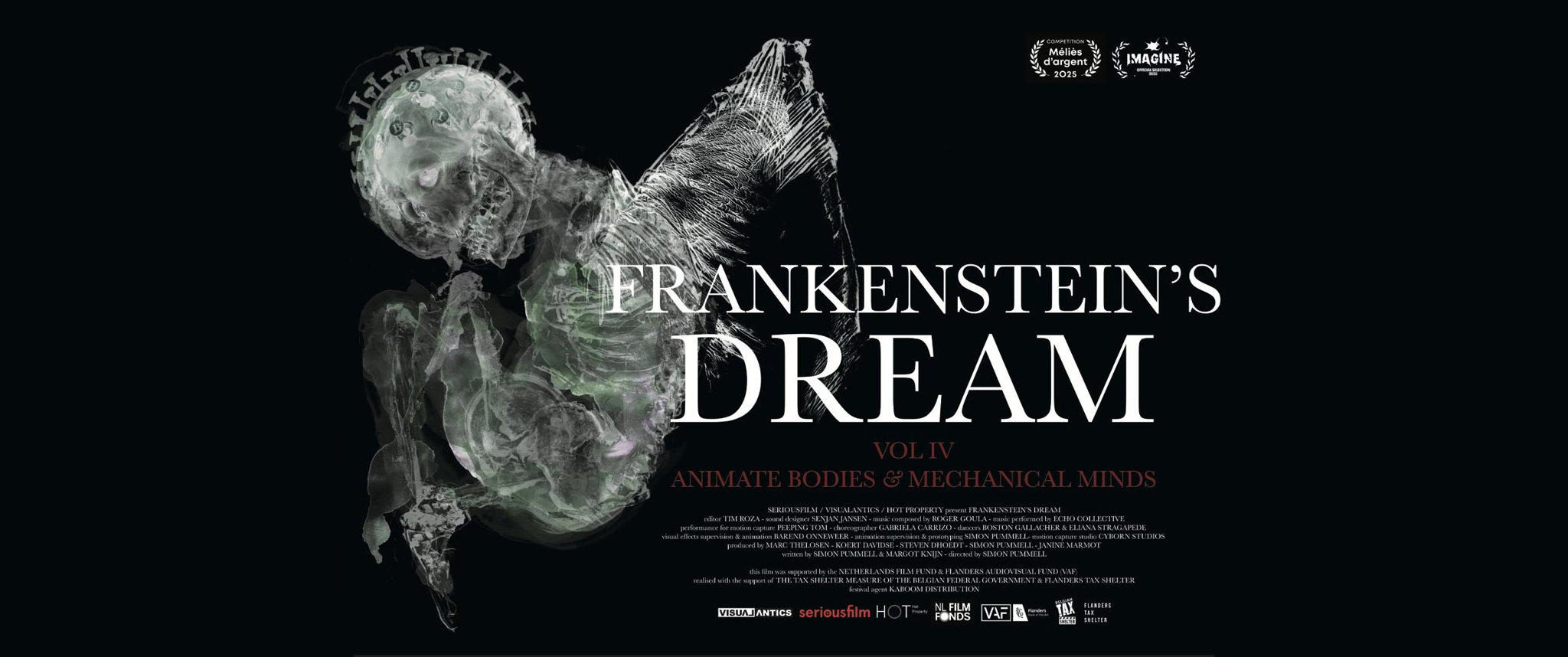
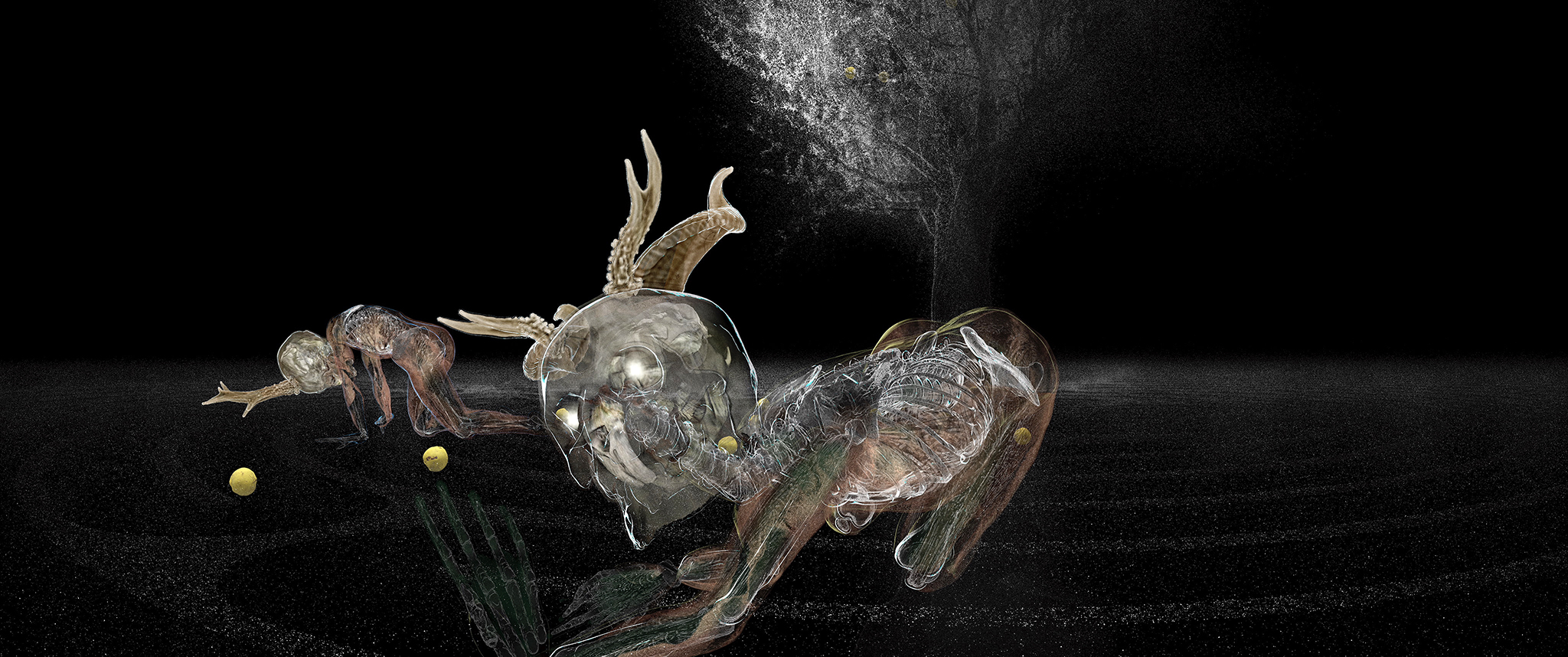
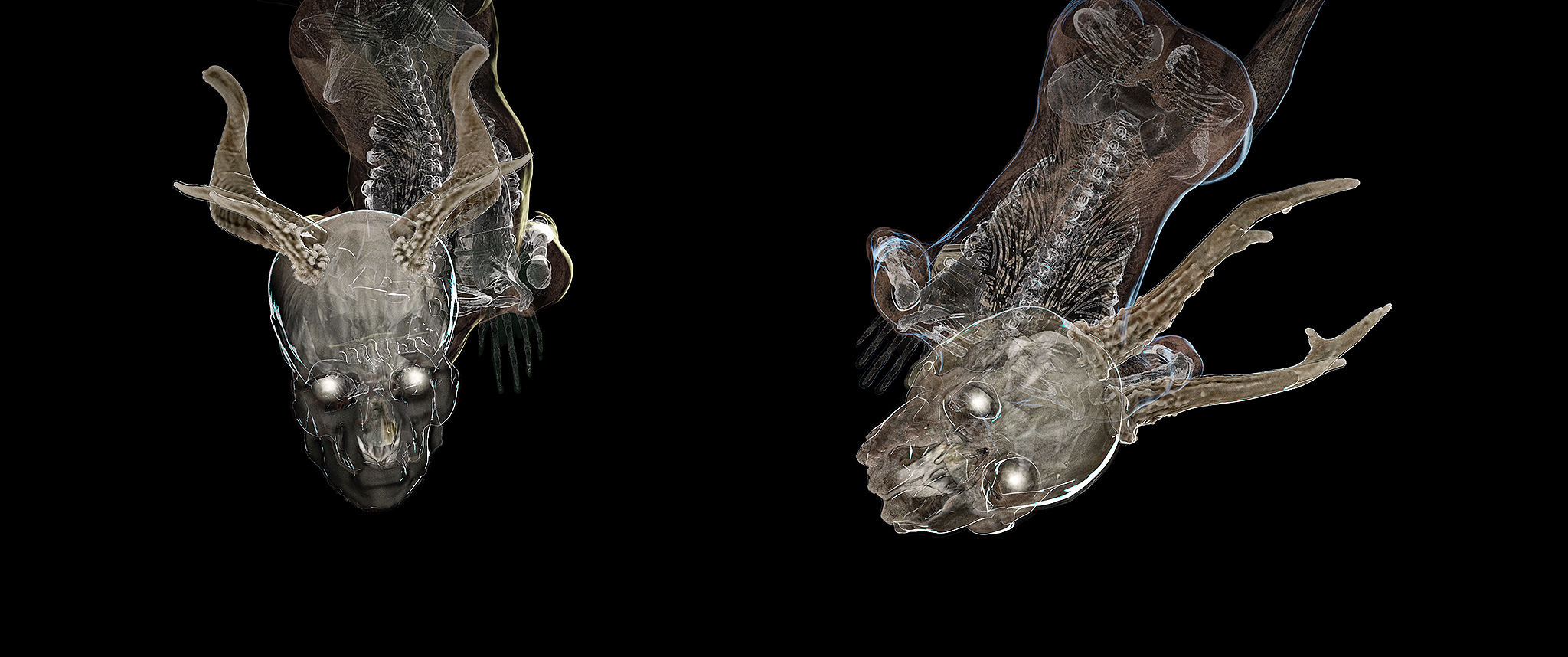
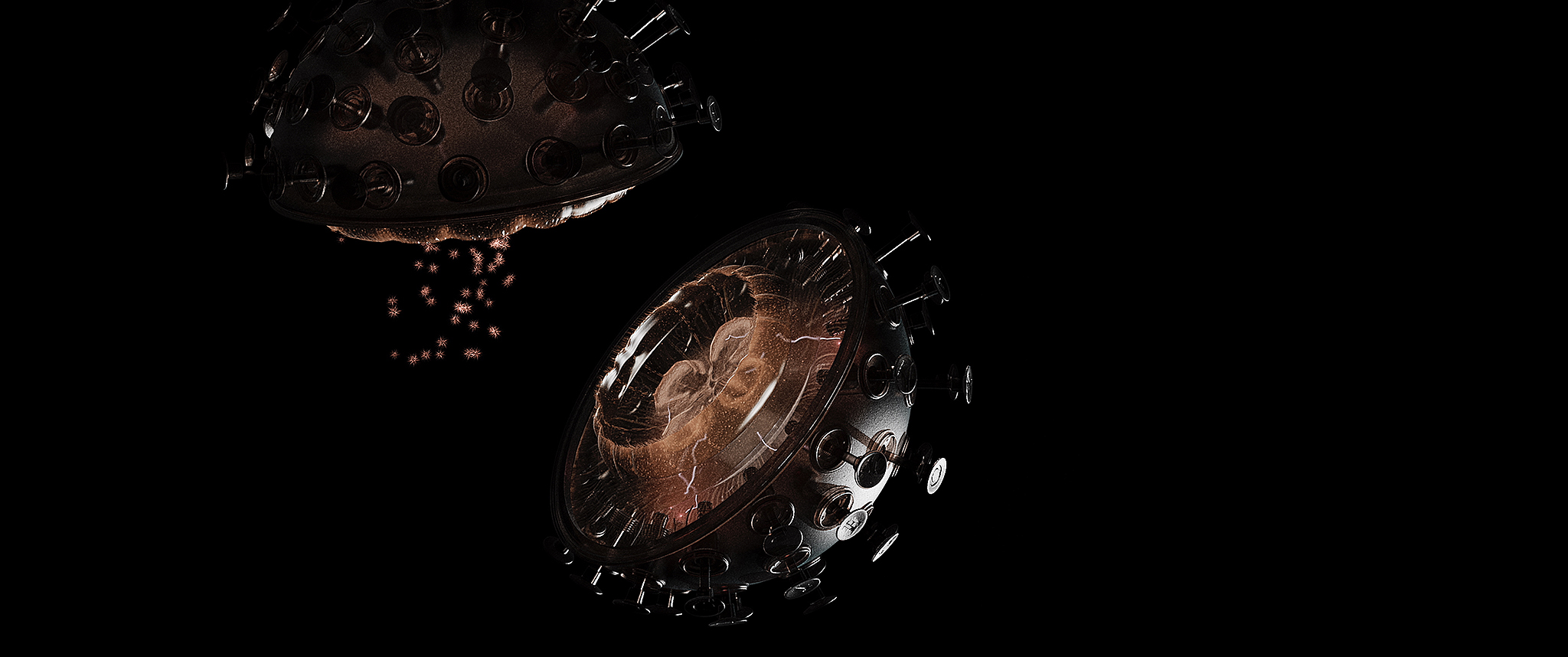
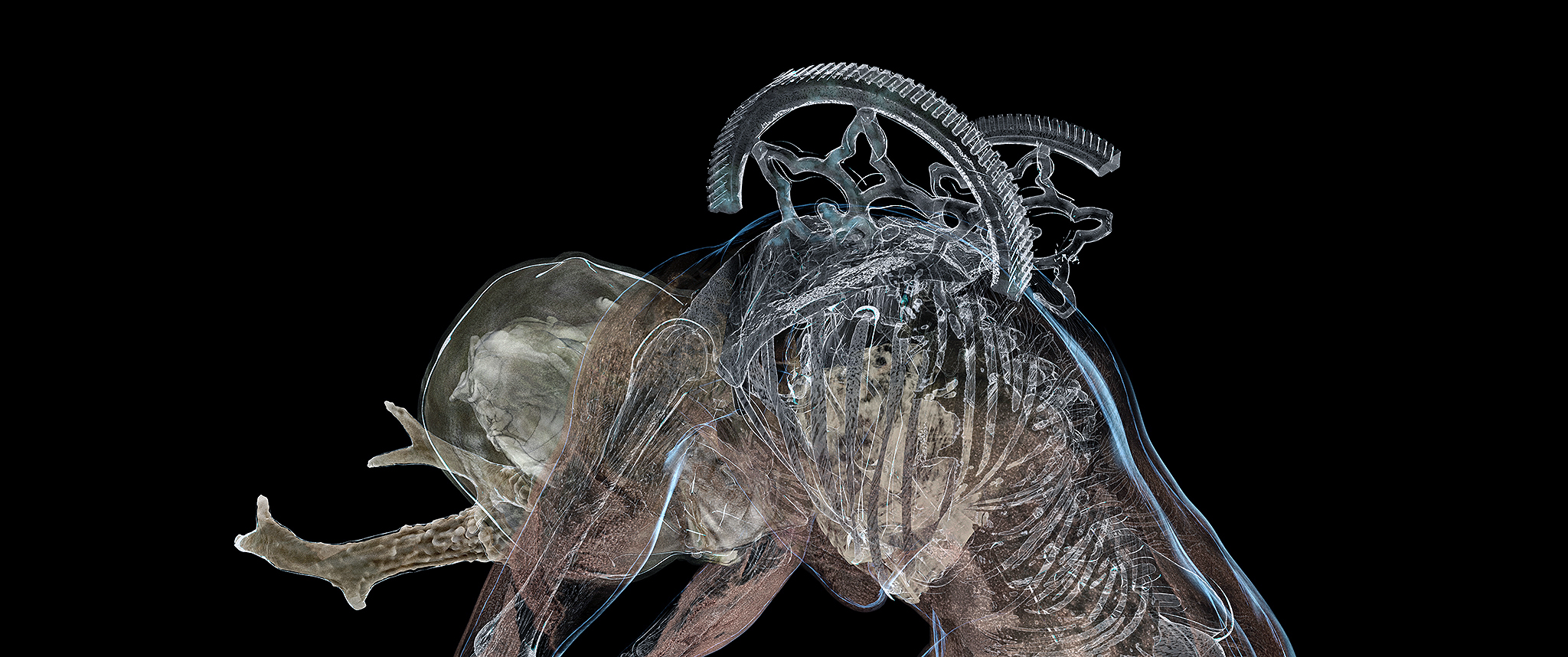
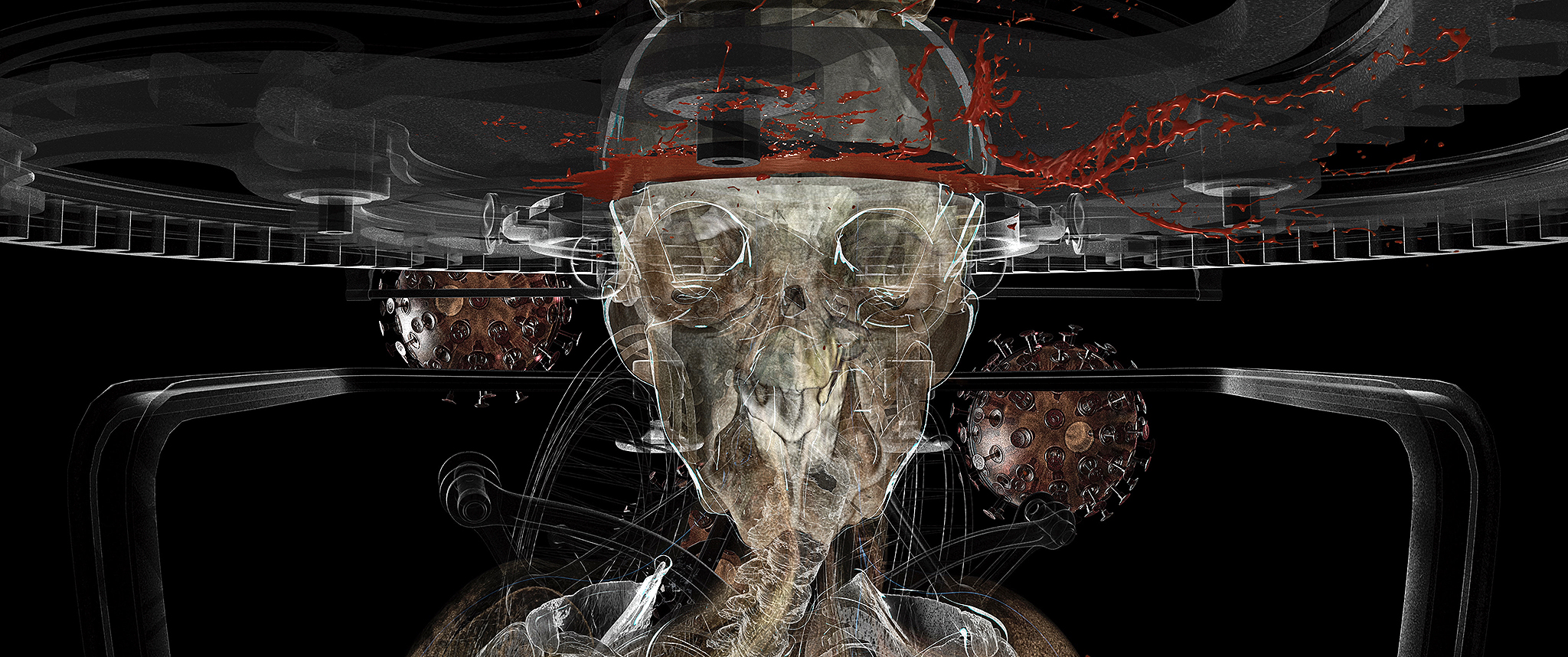
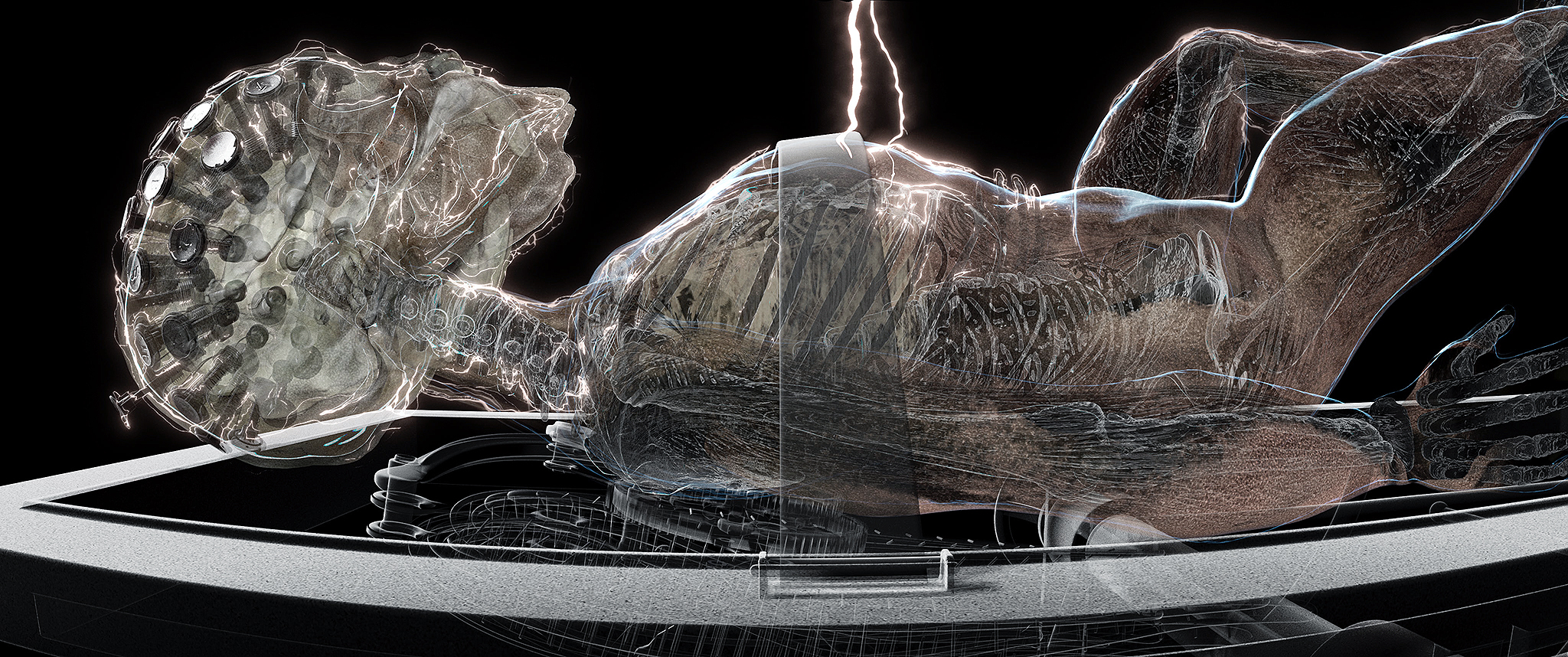
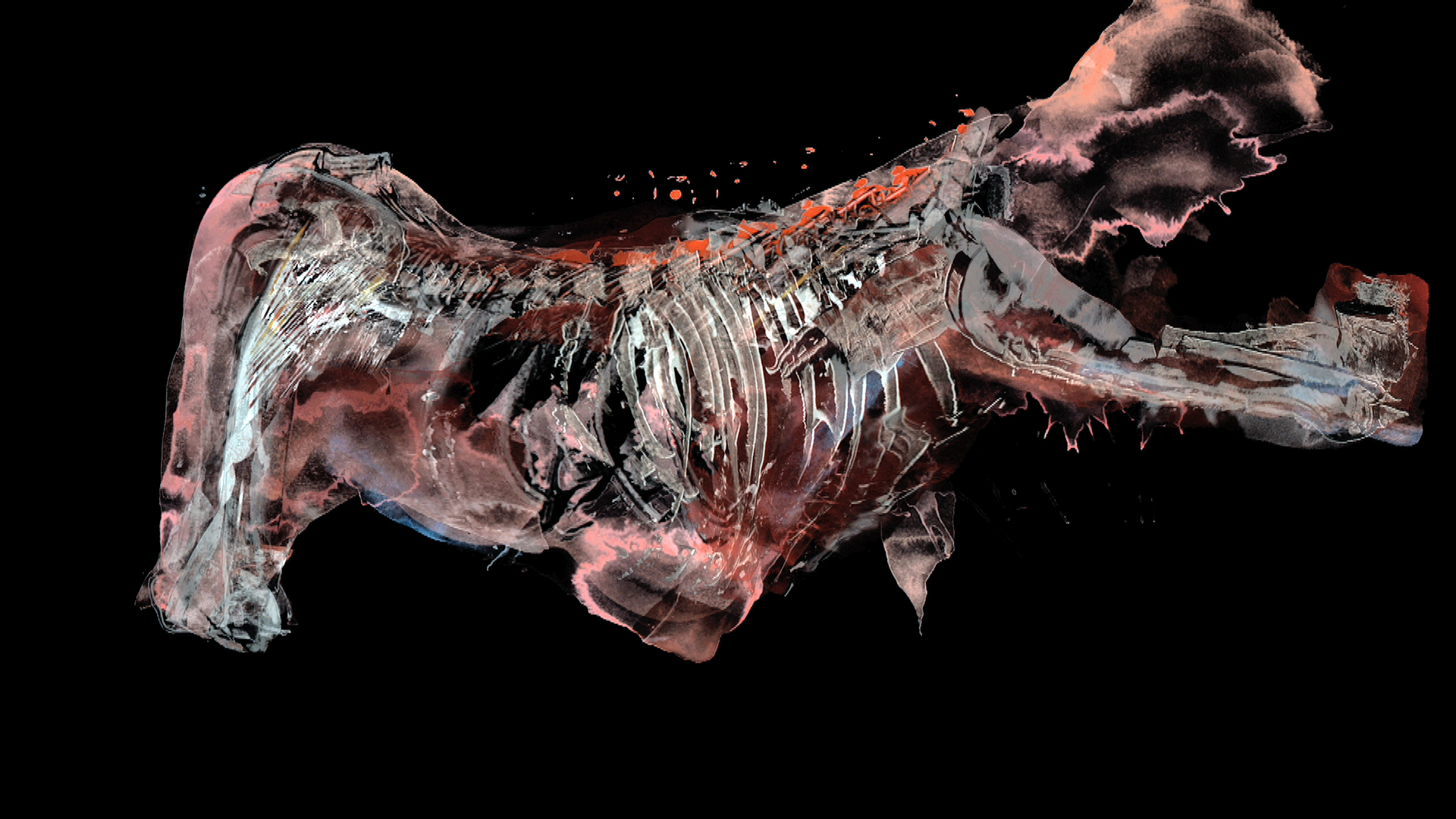
FRANKENSTEIN'S DREAM is an animated film without words – until the very end. The film opens on strange satellites releasing spores over foraging humanoids. The infected creatures start to change and grow, to struggle towards speech. But there’s a bloody price. FRANKENSTEIN'S DREAM asks: do we control Al technology and language, or are they parasites that use us as a host and breeding ground?
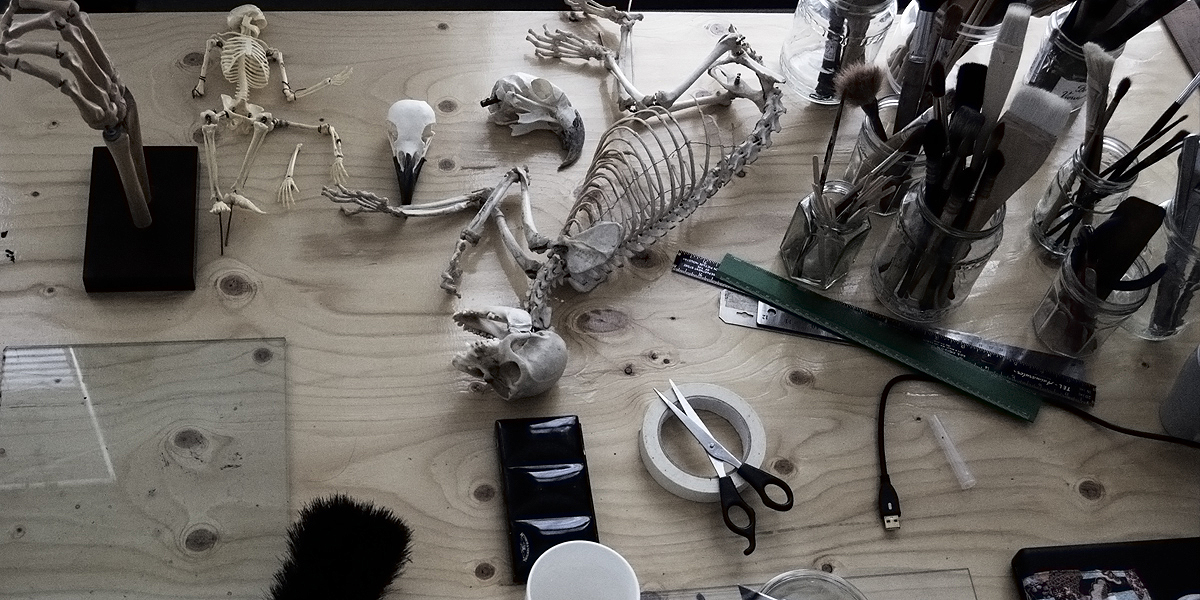
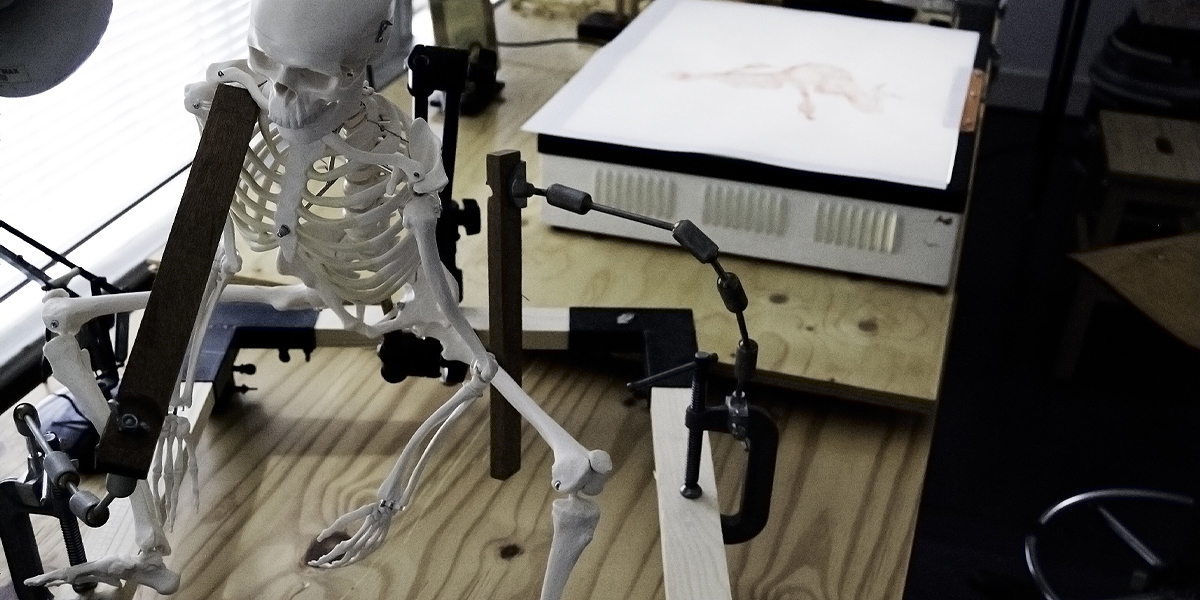
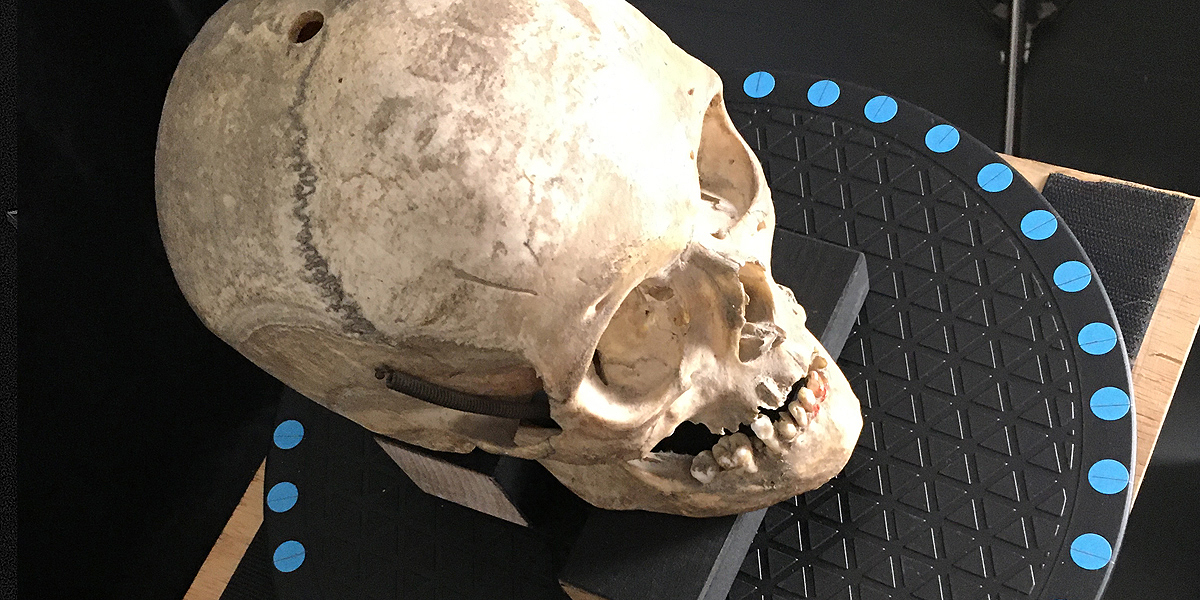
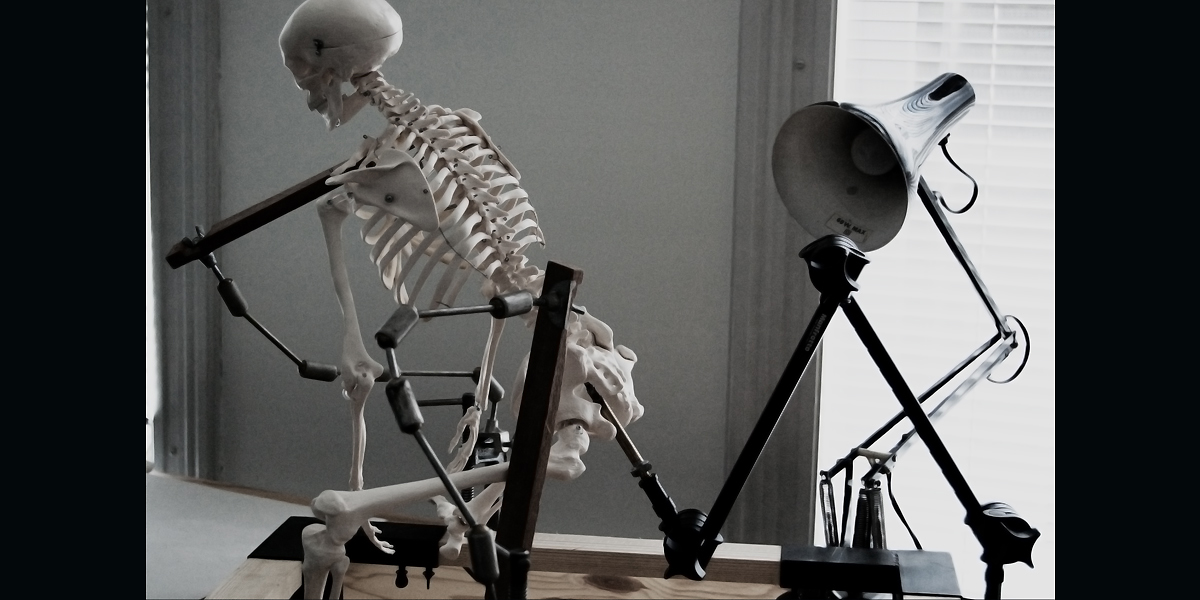
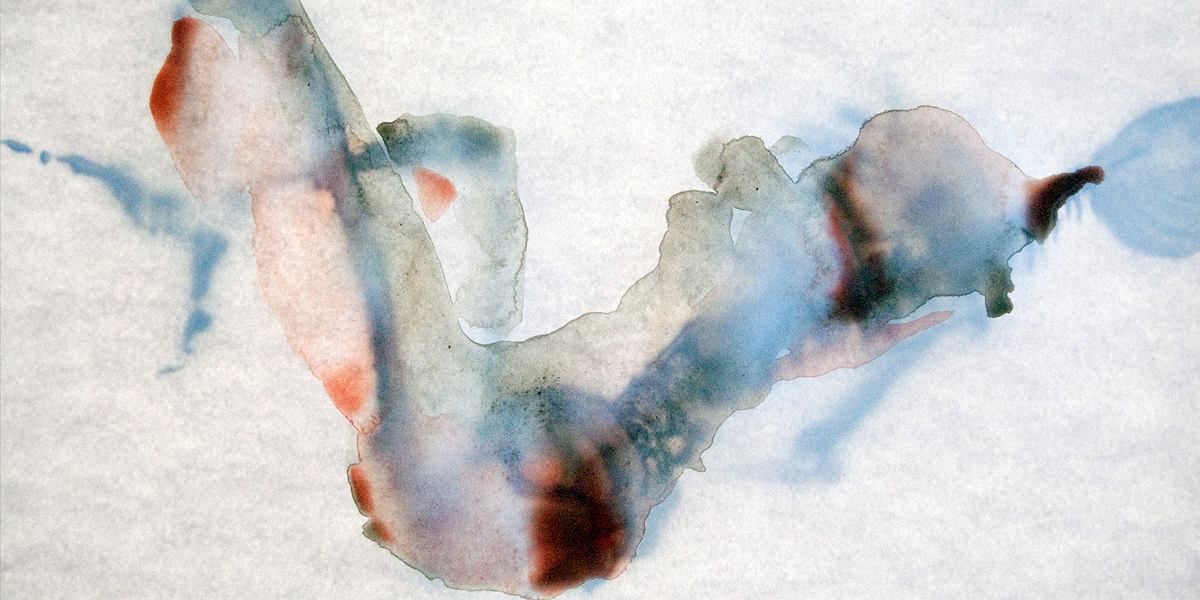
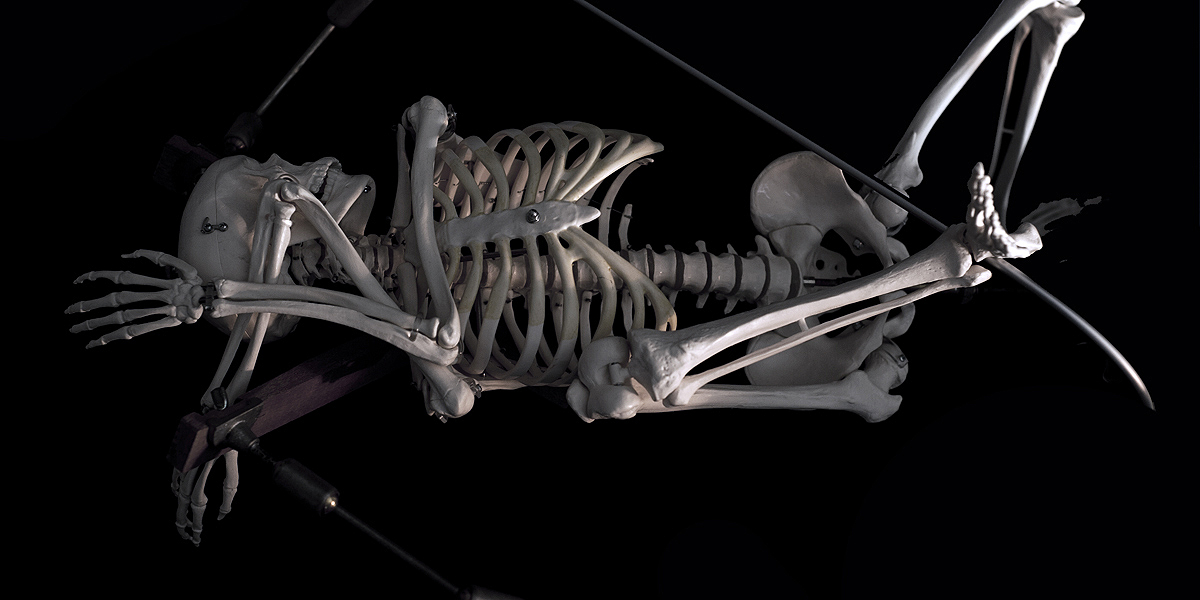
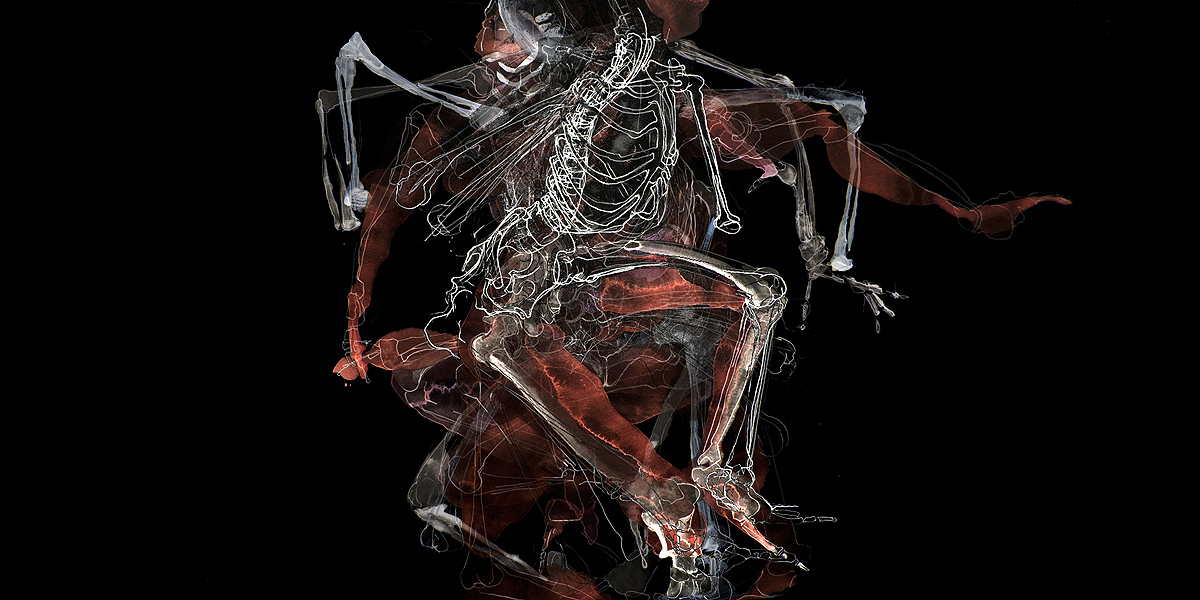
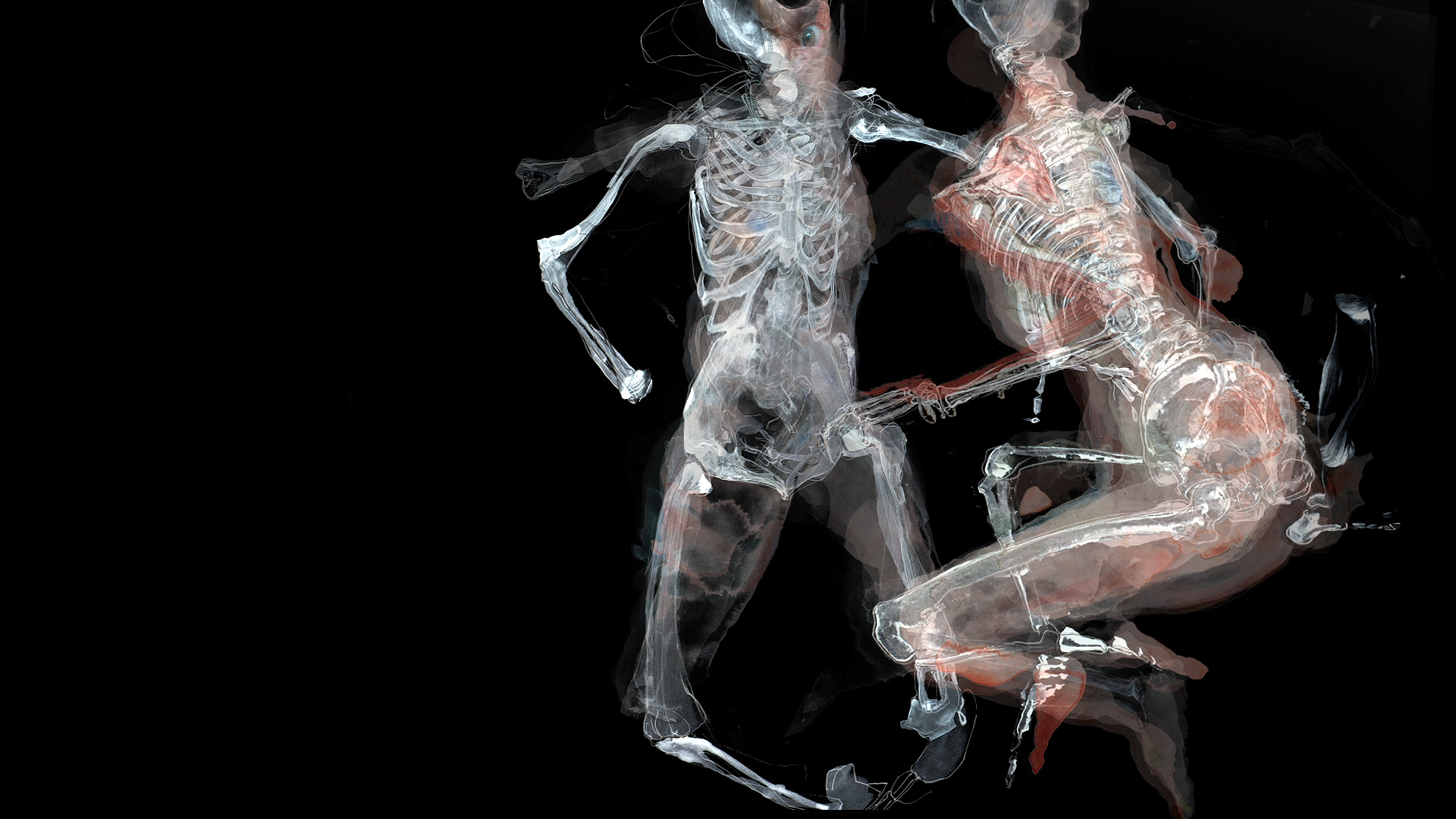
The digital puppets of FRANKENSTEIN'S DREAM are created by wrapping layers of watercolour drawings - made of blood, bone-black, ivory, and sundry other pigments, onto 3D CGI skeletons and digital scans of real human and animal skulls.
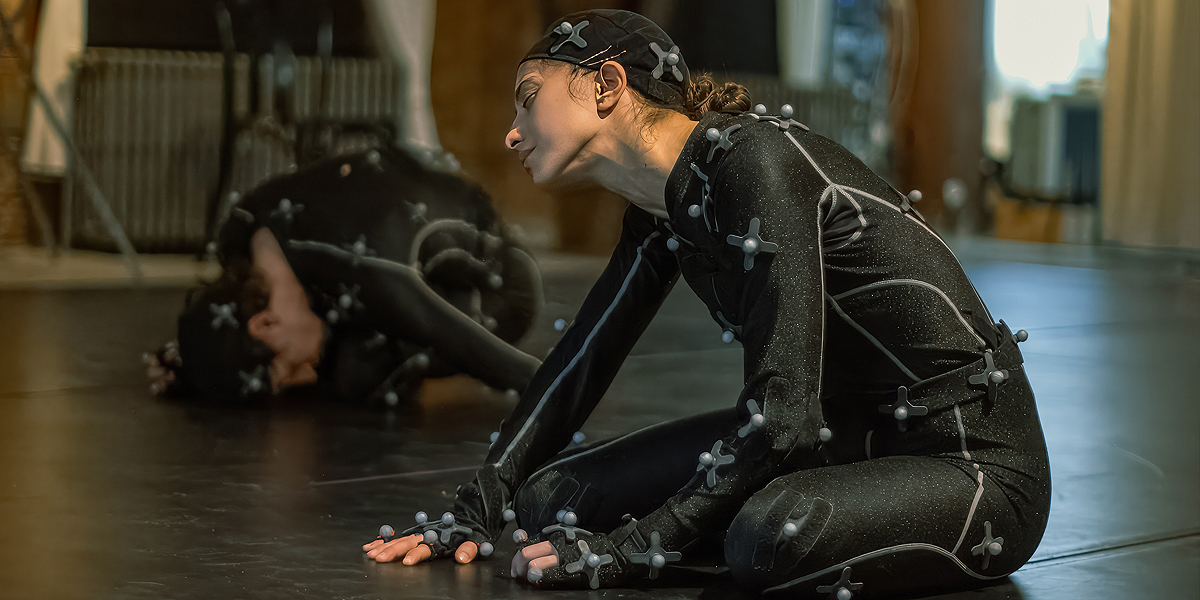
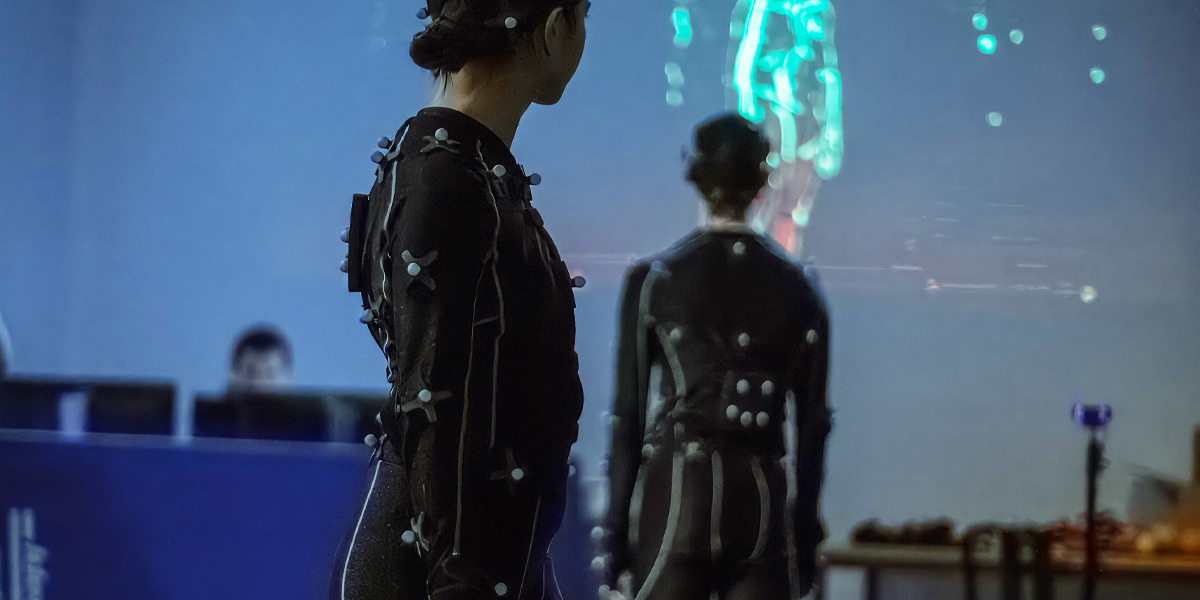
The dead human skulls and skeletons borrow life from the living as the movements of dancers BOSTON GALLACHER & ELIANA STRAGAPEDE are motion-captured and given to the puppets to endow them with life. The creatures' actions in FRANKENSTEIN'S DREAM are genuinely human performances choreographed by GABRIELA CARRIZO of the PEEPING TOM DANCE THEATRE COMPANY.
The action is set in a world both constructed and scanned using architectural scanning techniques to create a series buildings and machines of control. The disparate elements of the images were woven together at RAMMW3RK post-production under the VFX supervision of Barend Onneweer.
The film's music is composed by ROGER GOULA and performed by the ECHO COLLECTIVE STRING QUARTET.
FRANKENSTEIN'S DREAM is Volume IV of ANIMATE BODIES and MECHANICAL MINDS.
Director/Animator: Simon Pummell
Writers: Simon Pummell and Margot Knijn
Producer: seriousFilm (Netherlands) - Visual Antics (Belgium) - Hot Property Productions
Animation Prototypes: Simon Pummell
VFX animator: Barend Onneweer at Raamw3rk
Status: Currently touring Film Festival and Film Museums
Funded by: Netherlands Film Fund, Flemish Audiovisual Fund, Flanders Tax Shelter & Tax Shelter of Belgian Federal Government




ATLAS FOR ANIMATE BODIES: 2015- Current (Installation Artist, Animator)
Atlas for Animate Bodies - combines digital animation processes with traditional figure drawing to create a new atlas of the human figure. Every volume of the Atlas exists both as a series of digital animations and also as a unique, hand-crafted book of the watercolours used to create the moving images. Traditionally our anatomies were associated with the flayed and dissected corpse, and so with death. In a world of hospital x-rays, medical scans and routine airport scanning we have become transparent: living and moving anatomies.
The ATLAS FOR ANIMATE BODIES: DRAMATIS PERSONAE comprises of the first five PLATES of the ATLAS
Initial research into new techniques was supported by a Harvard Film Study Center Fellowship 2008-2009. On-going research project is supported by the Research Professorship Willem de Kooning Academy, Rotterdam University.
Volume One has been exhibited as an installation at:
Museum Exhibition: THE VICTORIA & ALBERT MUSEUM LONDON Sept 2013
Lecture and Screening: EYE FILM MUSEUM AMSTERDAM Cinema as Mind’s Eye Oct 2013
Museum Exhibition: KASK Ghent. Group Show: Post Mortem Dec 2016
Conference screening: ITEMP Imagineering in the Early Modern Period Mar 2019
Exhibition : VANDOHOVE GALLERY Ghent ITEMP Mar 2109
ATLAS FOR ANIMATE BODIES: Artist Book
:
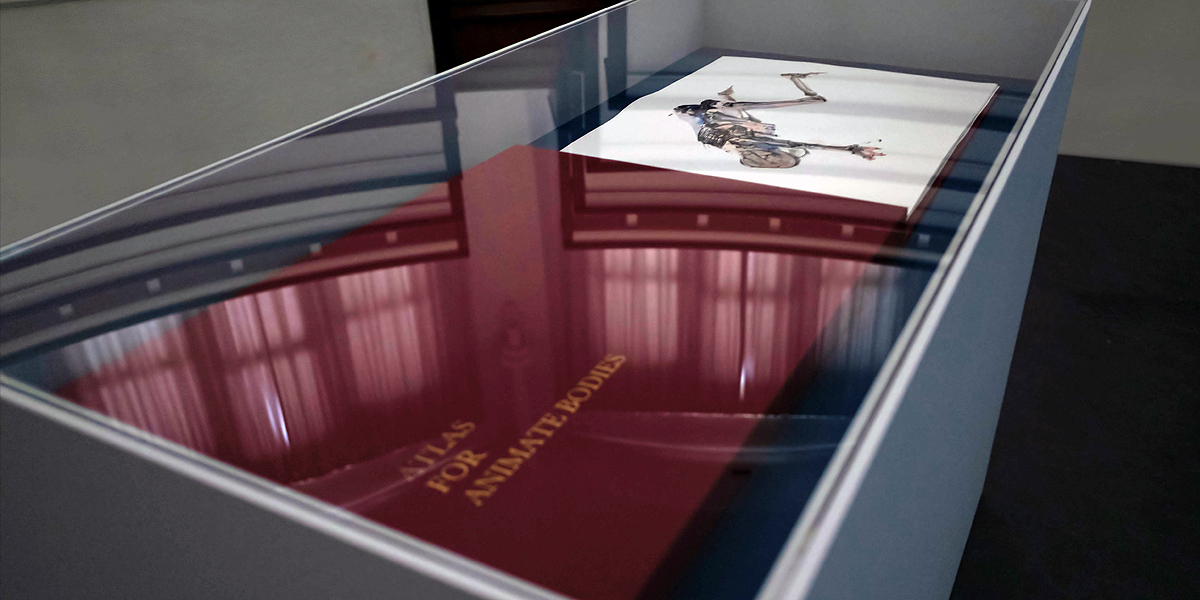
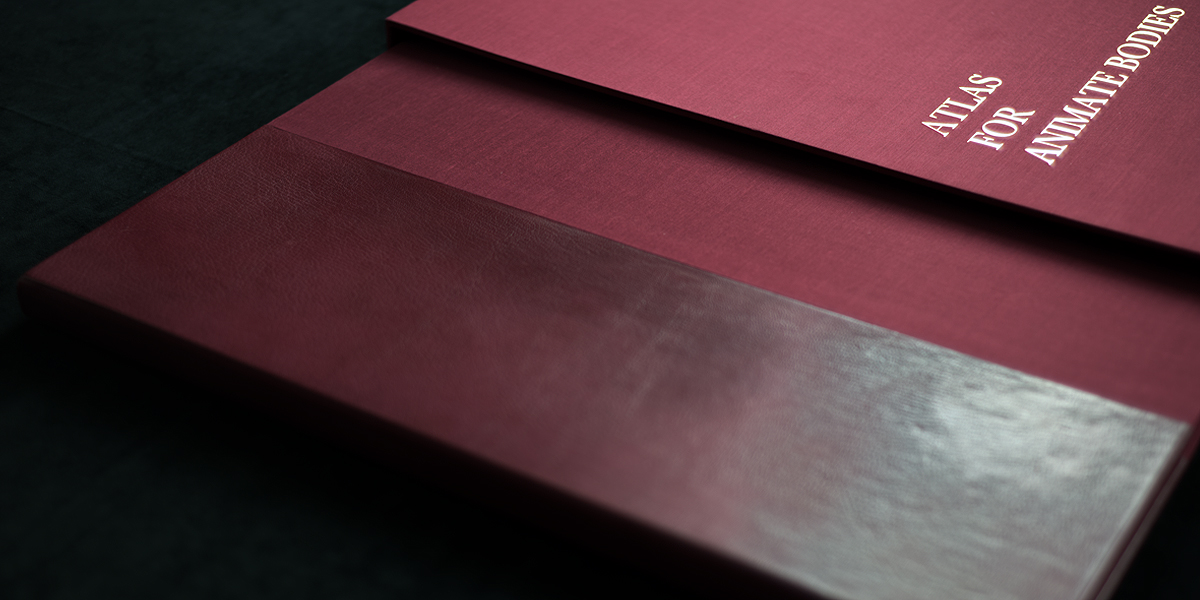
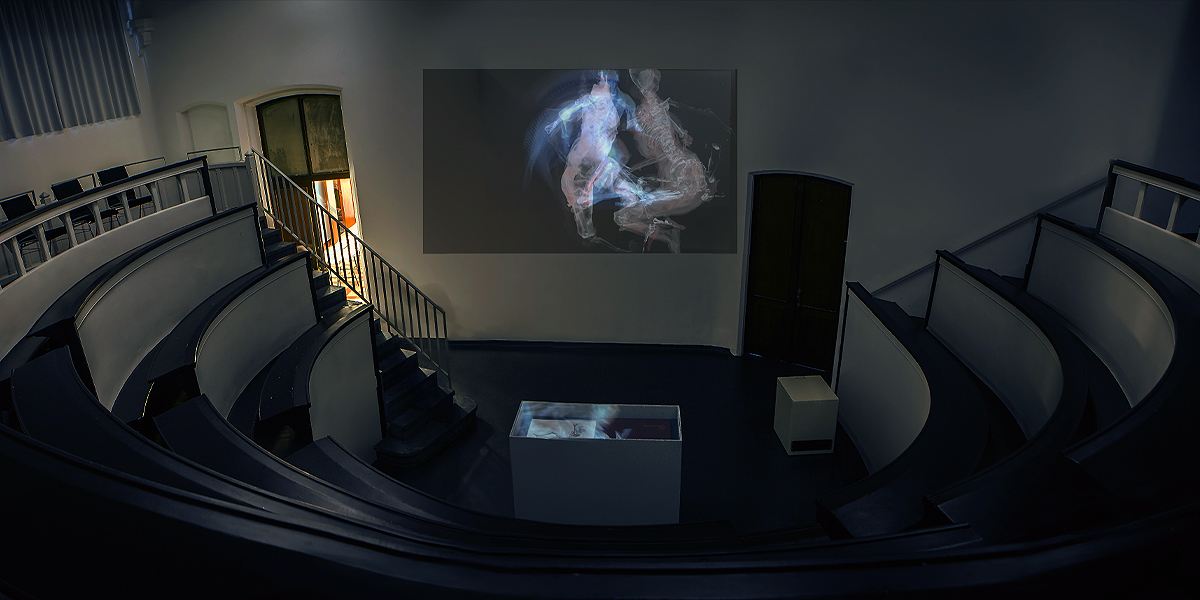

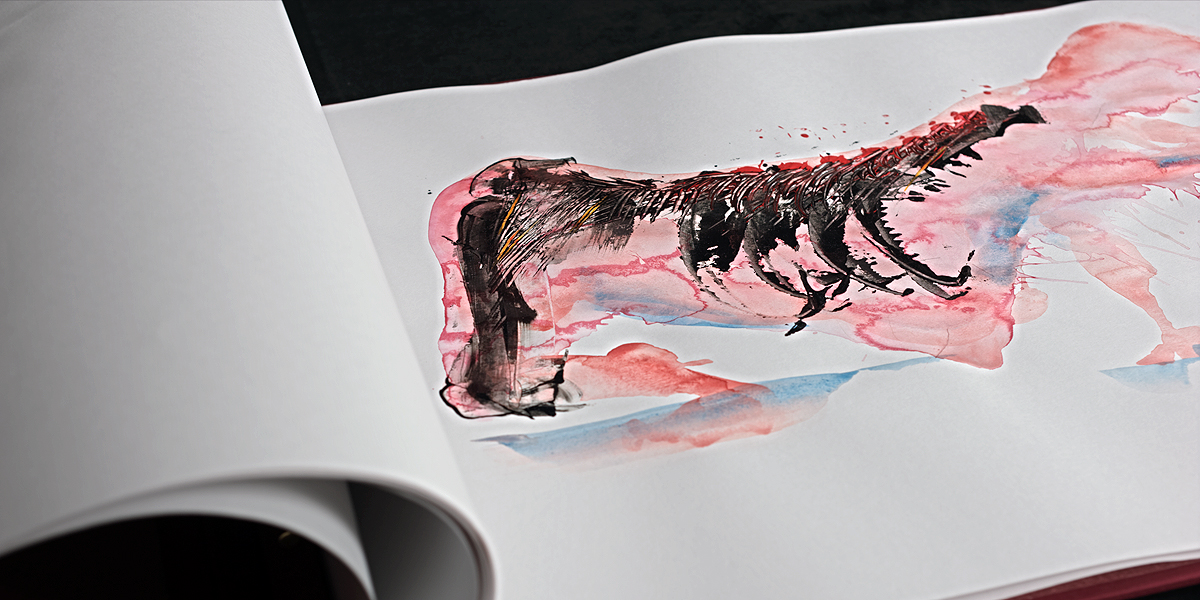

The total drawings for each plate of Atlas for Animate Bodies are assembled into a single large-scale book. Each book is hand bound in traditional cloth and leather in a form that exhoes the large scale editions of 17th century anatomical atlases. Each book (and the associated moving drawing) thus becomes a single edition (numbered and signed).
Individual drawings are hinged to allow temporary removal from the binding of the large book, in order to allow framing for exhibition.
Museum Exhibition: KASK Ghent. Group Show: Post Mortem Dec 2016
SPUTNIK EFFECT: 2011 (Installation Artist, Animator)
![]()
![]()
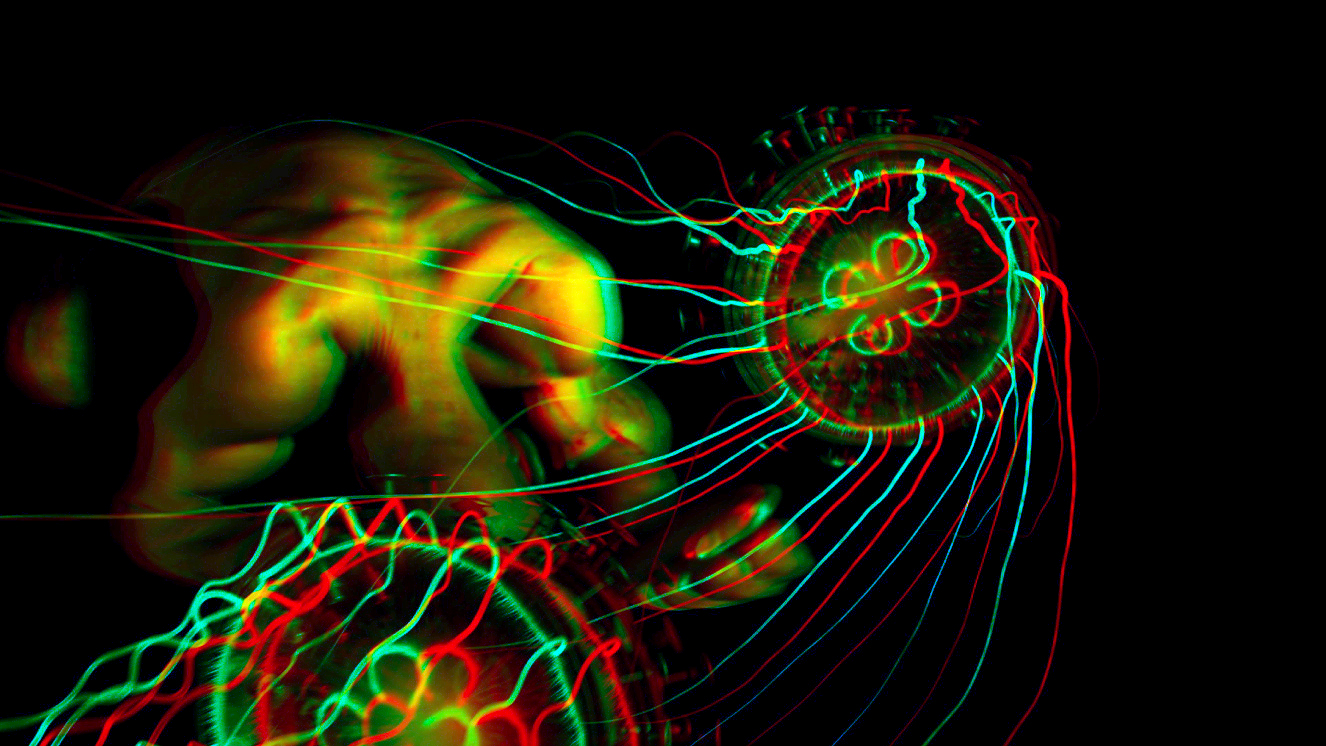
Within days of the launch of the first satellite ever - Prosteishii Sputnik (PS-1) - on October 4th1957, patients at Psychiatric casualty units were displaying delusions of being tracked by, and receiving messages from, the Sputnik. This phenomenon is informally referred to by psychiatrists as The Sputnik Effect. It is a moment marked by psychiatric commentators as the 'death of God' as the all-seeing persecutor in psychotic delusions, and the definitive ascendancy of technologies of control and surveillance as the key agents of persecution in the cosmic constructions of psychotic patients.
The installation uses the technology of 1950s pulp B-Movies to re-invent Daniel Paul Schreber's visions of fearsome nineteenth century communication machines as sci-fi icons and to mark the moment in the 1950s informally referred to by psychiatrists as TheSputnik Effect.
Part of the Shock Head Soul transmedia project produced by Hot Property Productions UK and Submarine Productions NL, in association with Illuminations Films UK and in co production with Serious Film NL, and Supported by the Wellcome Trust, the Netherlands Film Fund and the Rotterdam Media Fund, with support from the The Harvard Film Study Center. A research project affiliated to the lectorate of Piet Zwart Institute Willem de Kooning Academy Rotterdam University.
Entrance: Monitor displaying PAL archive footage of Sputnik launch and orbit
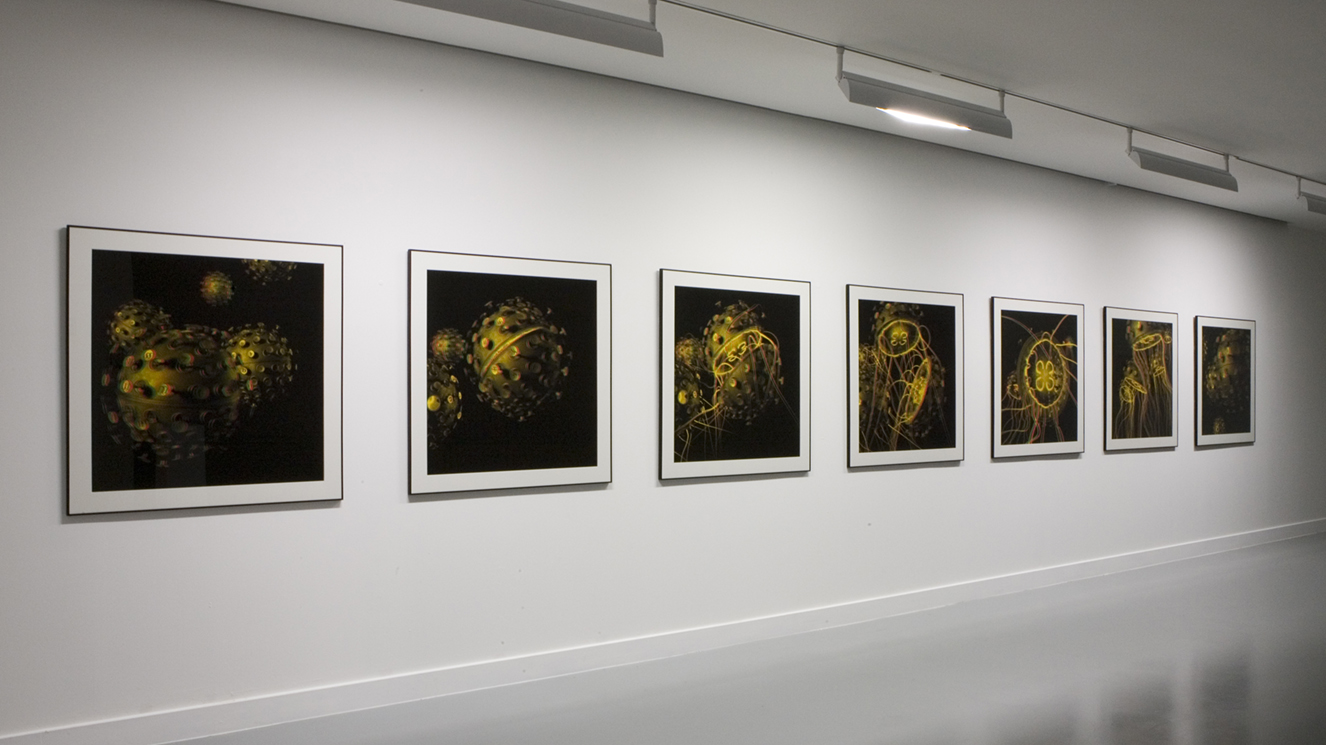
Room 1: Seven framed inkjet prints each 106cm x 106cm
Room 2: Two screen 3D video projection
Room 3: Single screen 3D video projection
Exhibited as a stand-alone installation at:
M HKA Antwerp - in Graphology 02 May 2011
TENT Rotterdam - The Sputnik Effect Jan 2012
SMART PROJECT SPACE – Amsterdam May 2012
Melbourne IFF – Seventh Gallery – Melbourne July 2012
Lecture and Screening: EYE FILM MUSEUM AMSTERDAM Cinema as Mind’s Eye Oct 2013





SHOCK HEAD SOUL: 2011 (writer, director)
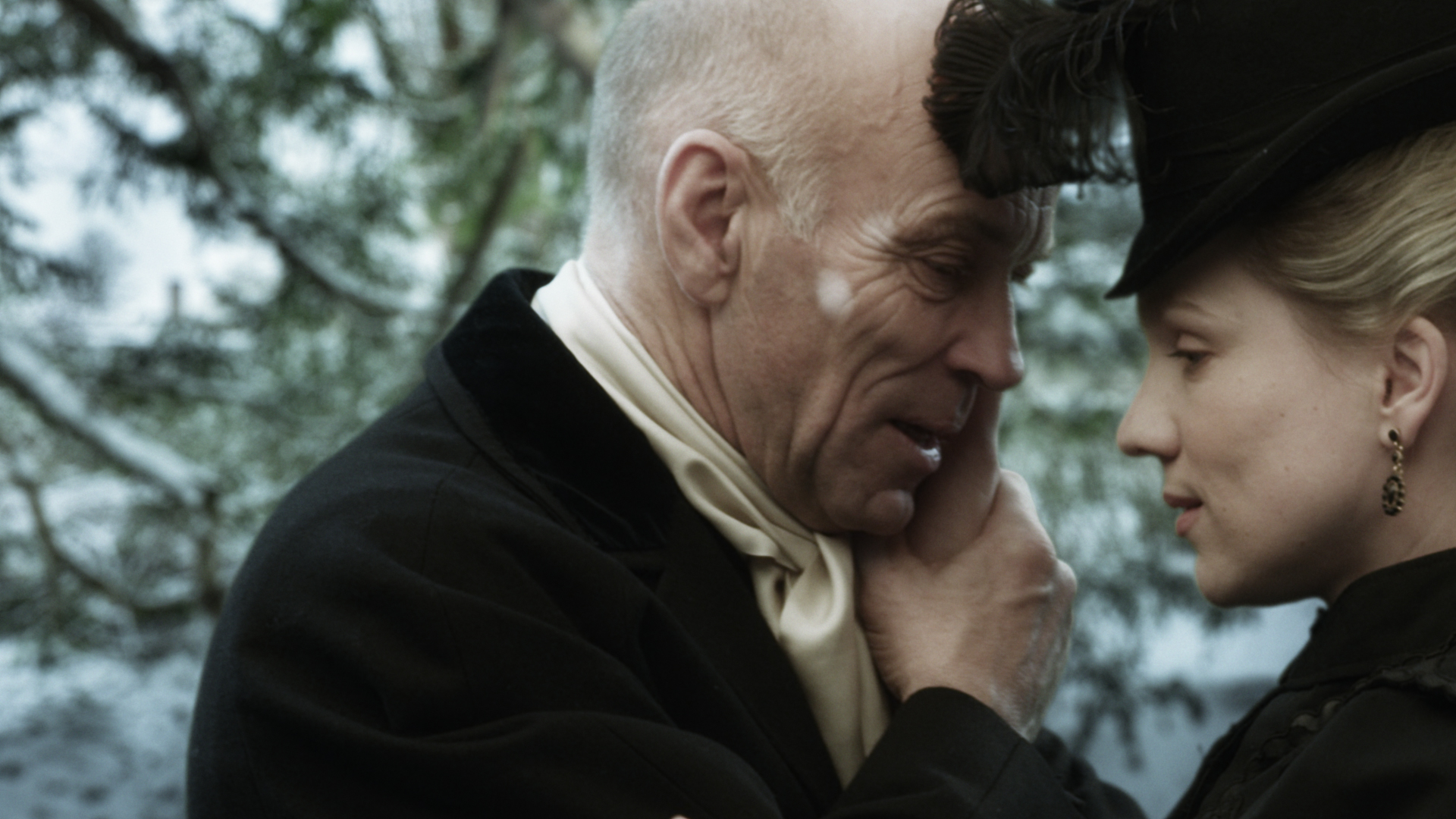
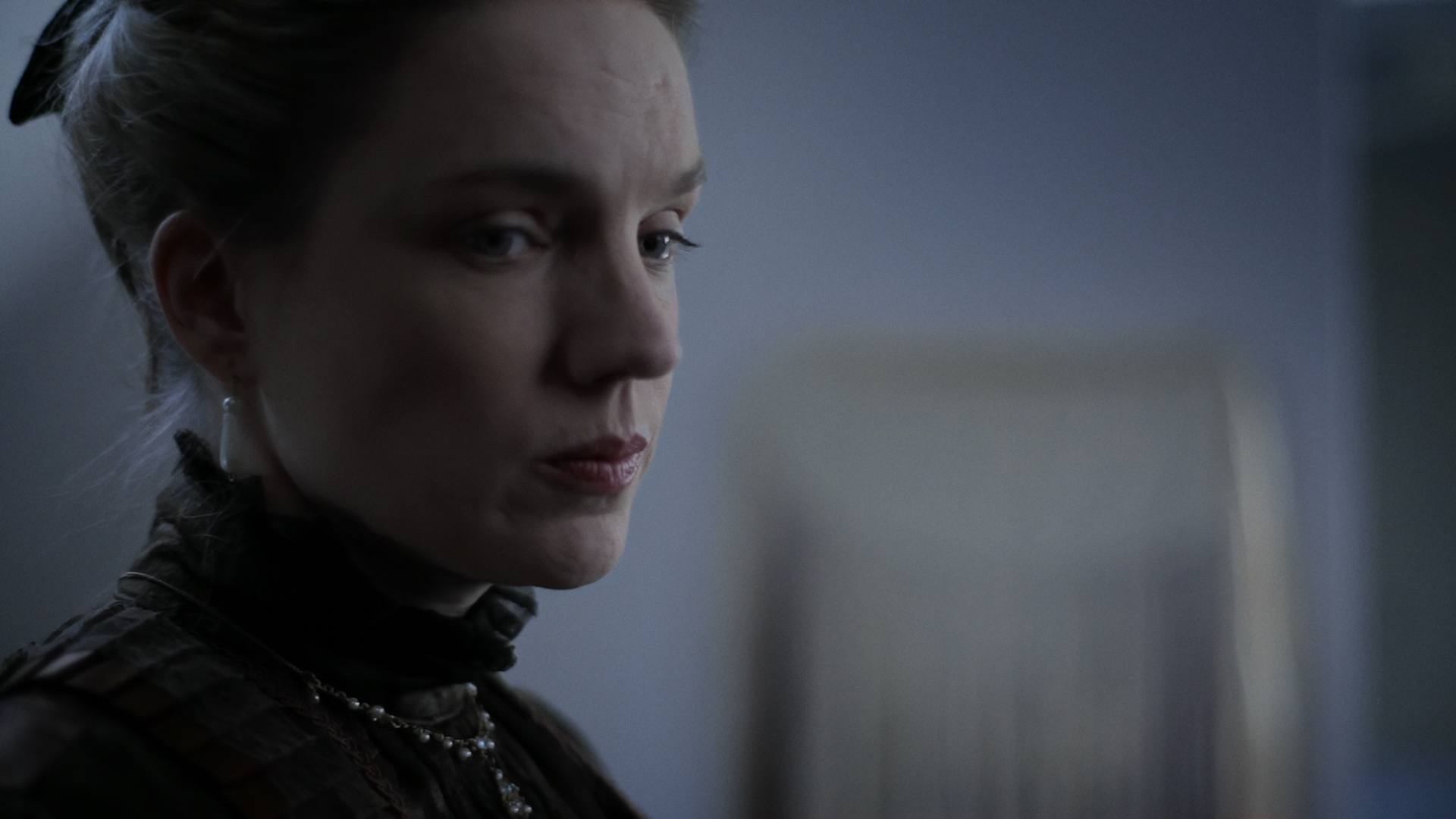
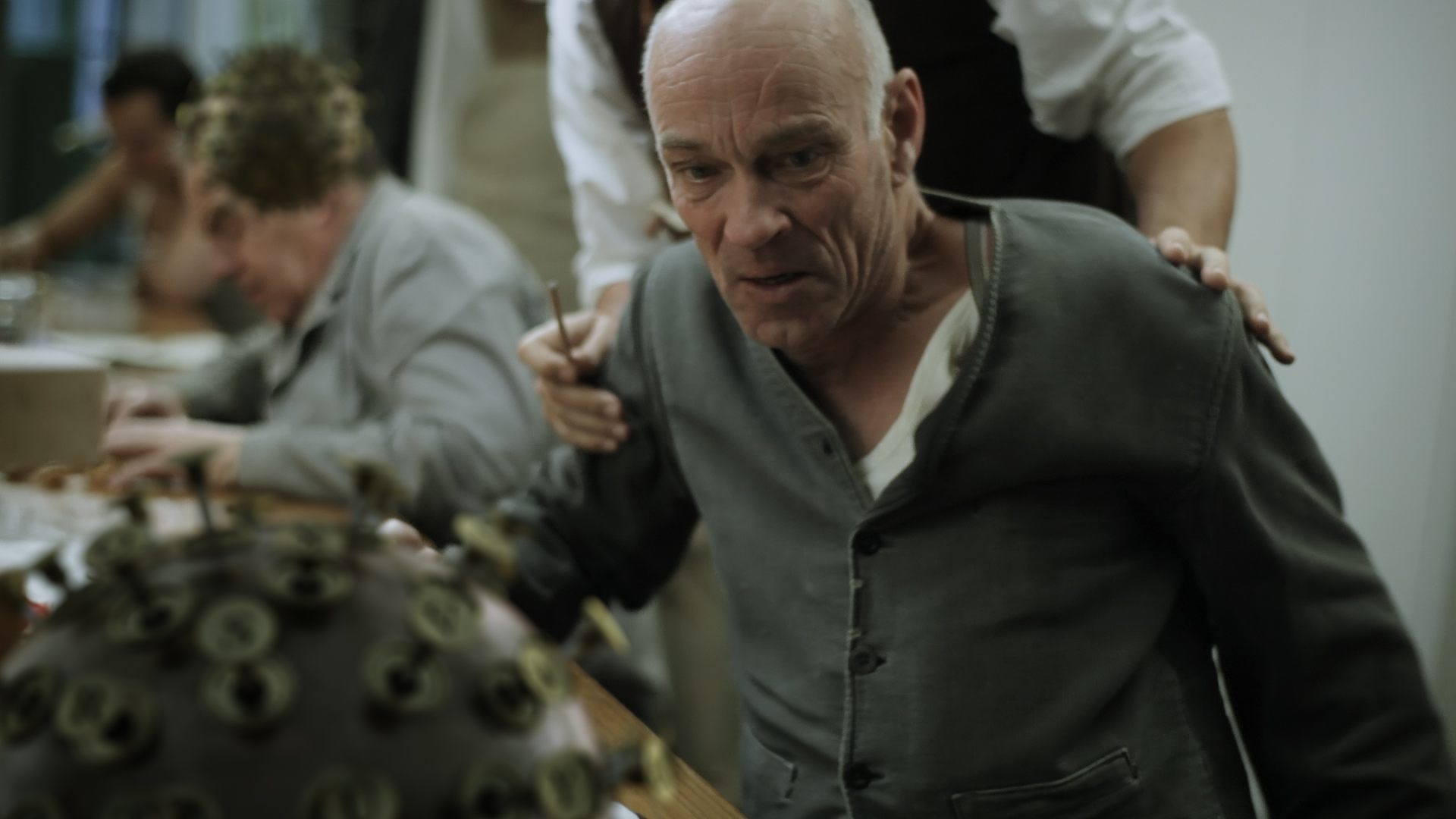
A feature length documentary using drama, animation and interviews to explore the relationship between society, psychosis and technology. The project forms a portrait of Daniel Paul Schreber the C19th outsider artist who elaborated a steam-punk vision of a machine universe penetrated by networks of ‘nerve-rays’, with himself at the very centre as ‘God’s chosen bride’.
“Weirdness, cerebral depth and envelope-pushing style. Blending documentary elements with fictional reconstruction and trippy CGI, the pic is a truly sui generis work, both moving and intellectually stimulating.” Variety
"the art of cinema, storytelling and the field of psychiatry together in this unique achievement...." Screen International
"an unparalleled job of documenting the unphotographable." Sight and Sound UK
"imposante rol van Hugo Koolschijn, kom maar op met dat Gouden Kalf " Filmkrant (****)
" effectieve mengvorm van documentaire, fictie, waan en animatie" NRC Handelsblad (****)
"Hugo Koolschijn speelt Schreber meesterlijk " Het Parool (****)
A Submarine, Hot Property & Serious Film production for the Netherlands Film Fund and the Rotterdam Media Fund, The Wellcome Trust Major Arts Award UK, and with support from the Harvard Film Study Center. The project was developed in collaboration with psychoanalyst Helen Taylor-Robinson with the support of a Wellcome Trust Arts Award.
Netherlands Release Cinema Delicatessen
UK Release Soda Pictures UK
TV sales Several European Territories
Selected Festival Awards, Nominations & Screenings
![]()
68th Venice International Film Festival: Orizzonti Competition
CPH:DOX Copenhagen Documentary Film Festival (Official Selection & Laurel)
London Film Festival: New British Cinema Selection (Official Selection & Laurel)
Rotterdam International Film Festival (Official Selection & Laurel)
New Horizons Film Festival (Official Selection & Laurel)
Melbourne International Film Festival (Special Screening & Gallery Installation)
London Institute of Psychoanalysis (Special Event: The Neuro-Image)
NYC Institute of Psychoanalysis (Special Event: The Neuro-Image)
EYE Cinema (Special Neuro-Image Presentation Screening)
Calgary International Film Festival (Official Selection & Laurel)
Brighton Film Festival Cinema of the Mind
Karlovy Vary International Film Festival
New Zealand International Film Festival
Cinema du Réel - 37e édition - Centre George Pompidou

ANIMATE BODIES & MECHANICAL MINDS: ARTIST STATEMENT
_